


Confirm Whether Melting Applies to Your Product
Glasmero coordinates glass cup projects with product-specific manufacturing partners for importers, distributors and private label brands. Melting and refining are upstream stages for applicable furnace-based glass production.
These stages convert a prepared batch into molten glass suitable for forming. They influence the consistency of the glass reaching the forming operation, including its visible appearance and the presence of bubbles or unmelted material.
Not every cup project starts with batch melting at the cup-forming facility. Products made from prepared glass tubing follow a different route. We confirm the relevant manufacturing sequence for the selected model before discussing production requirements.
 Start with the Agreed Glass Formulation
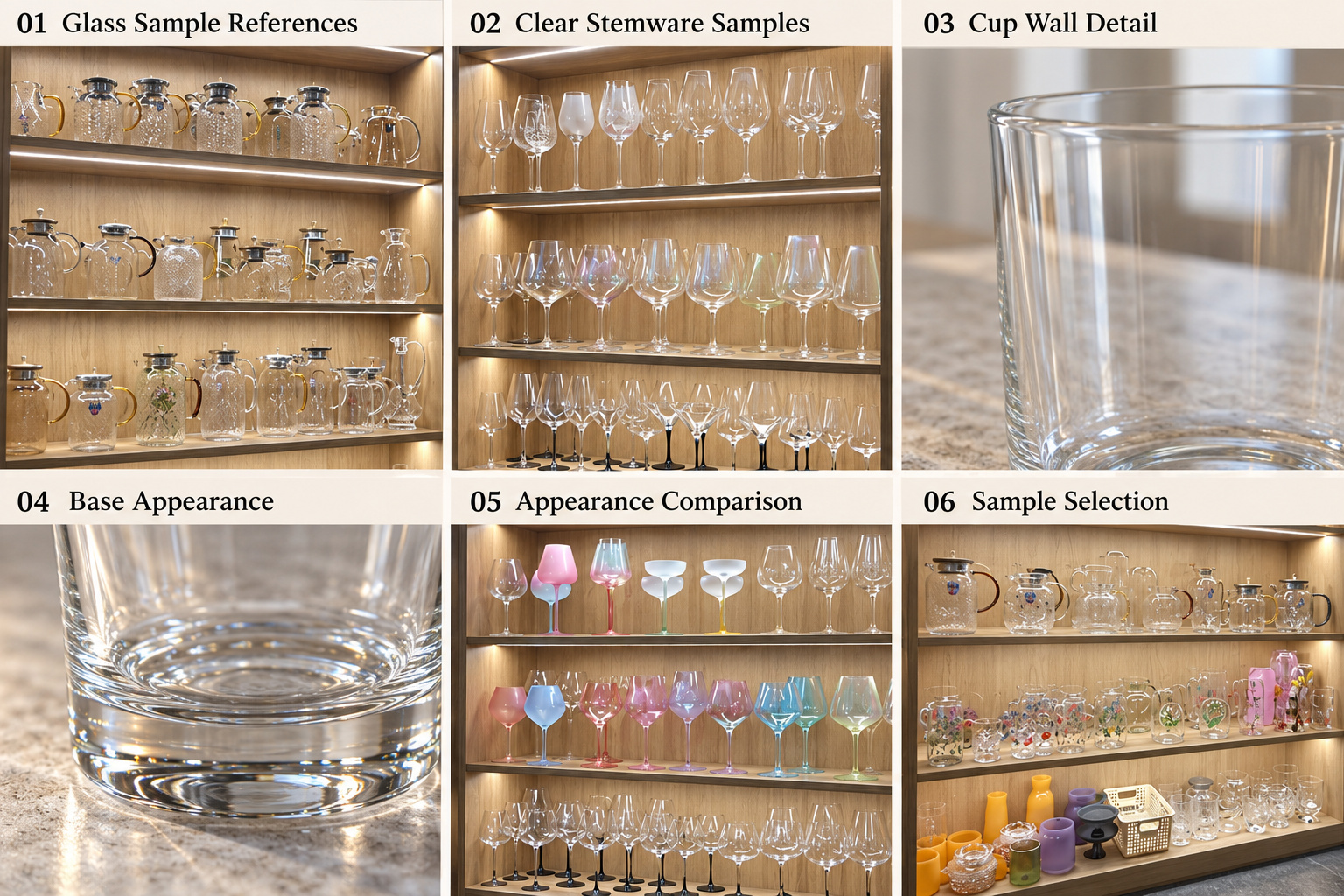
Melting performance depends partly on the consistency of the prepared batch. Raw material proportions, compatible cullet and contamination control must suit the selected glass formulation.
An incorrect addition or incompatible material can affect colour, clarity and subsequent processing. Requirements for composition documentation or recycled content should therefore be raised before quotation.
Our glass material preparation page explains how the starting material route connects with the proposed cup. Material changes need review alongside the product specification rather than being treated as interchangeable options.
Understand What Refining Addresses
During melting, batch reactions and trapped gases can introduce bubbles into the molten glass. Refining supports the removal of these gases under conditions appropriate to the formulation and furnace operation.
The manufacturing partner controls the relevant operating conditions. A single temperature or processing time cannot describe every glass type and production route.
For buyers, the practical concern is the agreed appearance of the finished cup. Visible bubbles, inclusions and optical irregularities need defined assessment criteria. Refining should not be presented as a guarantee that every piece will be entirely free of visible variation.
Connect Melt Consistency with Forming Requirements
Before forming, molten glass needs suitable working conditions for the selected process. Variations can make consistent forming more difficult and contribute to differences in the finished product.
Cup weight, wall distribution and dimensions also depend on tooling and forming operations. A defect should therefore be assessed across the relevant production stages rather than automatically attributed to melting.
Changes in glass composition or colour may affect production scheduling and minimum quantities. Review these changes early, particularly when developing a new model or requesting several colours within one order.
Agree Appearance Criteria Through Samples
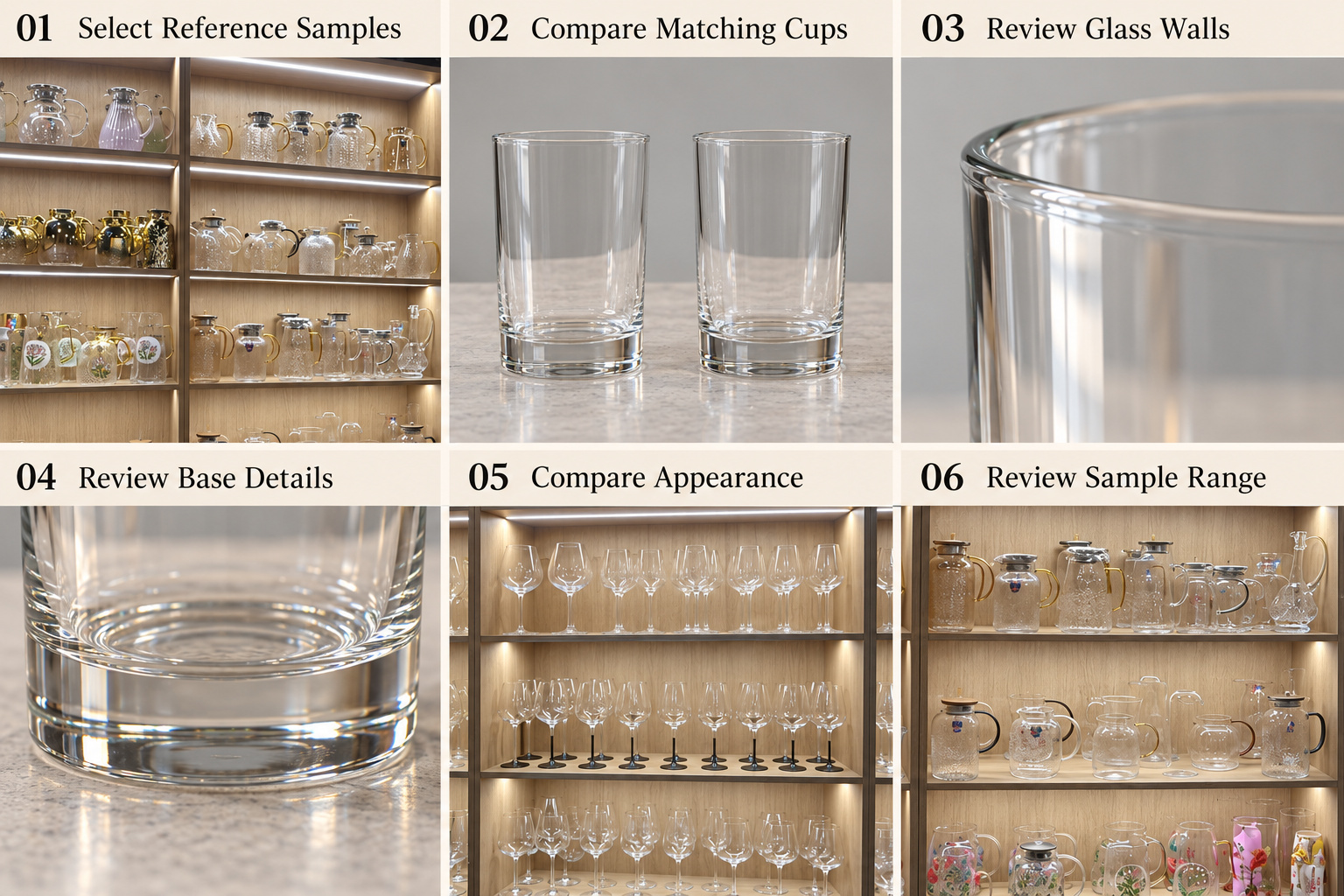
Sample review should establish the reference for clarity, colour and visible defects. Define how bubbles and inclusions will be assessed, including their size, location and frequency where relevant.
Use consistent lighting and viewing conditions when comparing samples. Thick bases, curved walls and surface decoration can change how imperfections appear.
Our glass cup quality inspection page outlines how appearance requirements can form part of an agreed inspection scope. Visual review does not establish composition, thermal resistance or food-contact compliance; those requirements need appropriate supporting information or testing.
 Define Requirements Before Order Confirmation
Send your preferred cup model, material, quantity, appearance expectations and destination-market requirements. Include any requested documentation, testing or colour references.
Glasmero can then coordinate a review of the applicable production route, sample scope and quotation conditions. MOQ and timing depend on the selected model, formulation, colour and production schedule.
After the upstream process is confirmed, glass forming and shaping establishes the cup body. Decoration, inspection and protective packing remain separate approval points before shipment.